
Ormiston Families chief executive Bruce Leeke on why we must make early intervention the norm to support children’s mental health.
Sometimes the numbers are so big they almost stop meaning anything.
The Children’s Commissioner’s latest report found that more than one million children in England now have active referrals to children’s mental health services. That’s almost double the number just six years ago.
Behind every statistic is a child who is anxious about going to school. A teenager whose confidence has disappeared. A young person whose world has gradually become smaller because worry has taken over.
And, of course, behind every child is a family trying to work out what to do next.
Perhaps the most sobering finding wasn’t simply the rise in demand. It was that more than a third of children referred to specialist mental health services were still waiting for treatment at the end of the year. Some have been waiting for more than two years.
No child should have to spend that long waiting for help.
The report makes an important point that deserves far more attention. We cannot build our way out of this challenge simply by creating more specialist services at the end of the pathway. However much investment goes into treatment, demand is growing faster.
If we want to change the picture, we have to start much earlier.
We often talk about “early intervention” as though it’s another piece of professional jargon. In reality, it’s something most of us already understand.
If your child starts struggling at school, you don’t wait until they’ve stopped attending altogether before asking what’s wrong.
As I said back in March, if lights start flashing on your car’s dashboard, you take it to the garage – you don’t wait for the engine to blow up.
The earlier we act, the more options we have.
Children’s mental health should be no different.
Recognising worries
The Children’s Commissioner argues that we need to stop asking children to become unwell enough to qualify for support. Instead, we should be creating the conditions that help them stay well in the first place.
That means recognising worries before they become overwhelming anxiety. Helping families navigate difficult moments before they become crises. Making support visible, accessible and normal.
It also means remembering that children’s mental health doesn’t exist in isolation.
Family relationships matter. School matters. Friendships matter. Financial pressures matter. Communities matter.
No single organisation can solve those challenges on its own, which is why the report calls for schools, health services, local authorities and voluntary organisations to work much more closely together.
I couldn’t agree more.
At Ormiston Families, we see every day how much difference timely support can make. Often it isn’t about doing something extraordinary. It’s about listening early, building confidence and giving children and parents practical tools before problems become much harder to untangle.
Sometimes just knowing that someone is there to help is enough to change the direction of a family’s story.
That doesn’t mean specialist mental health services aren’t vital. They absolutely are, and many children will always need that expert support.
Prevention is better than cure
But we should never accept a system where the only way to get help is to become ill enough to join a waiting list.
Every parent knows that prevention is better than cure. We vaccinate our children, encourage them to eat well and remind them to wear a seatbelt because preventing harm makes more sense than dealing with the consequences afterwards.
Perhaps it’s time we applied the same thinking to children’s mental health.
If we can spot difficulties earlier, respond sooner and make support easier to access, we won’t just reduce pressure on services.
We’ll give more children the chance to enjoy what childhood should be about in the first place: feeling safe, hopeful and able to thrive.
This article originally appeared in the East Anglian Daily Times.
Find out more

19th August 2026
The cost of living crisis and its impact on family mental health
For those of us working with children and families, the impact of the cost of living crisis is not new.
24th July 2026
Our fundraisers inspire us to do even more
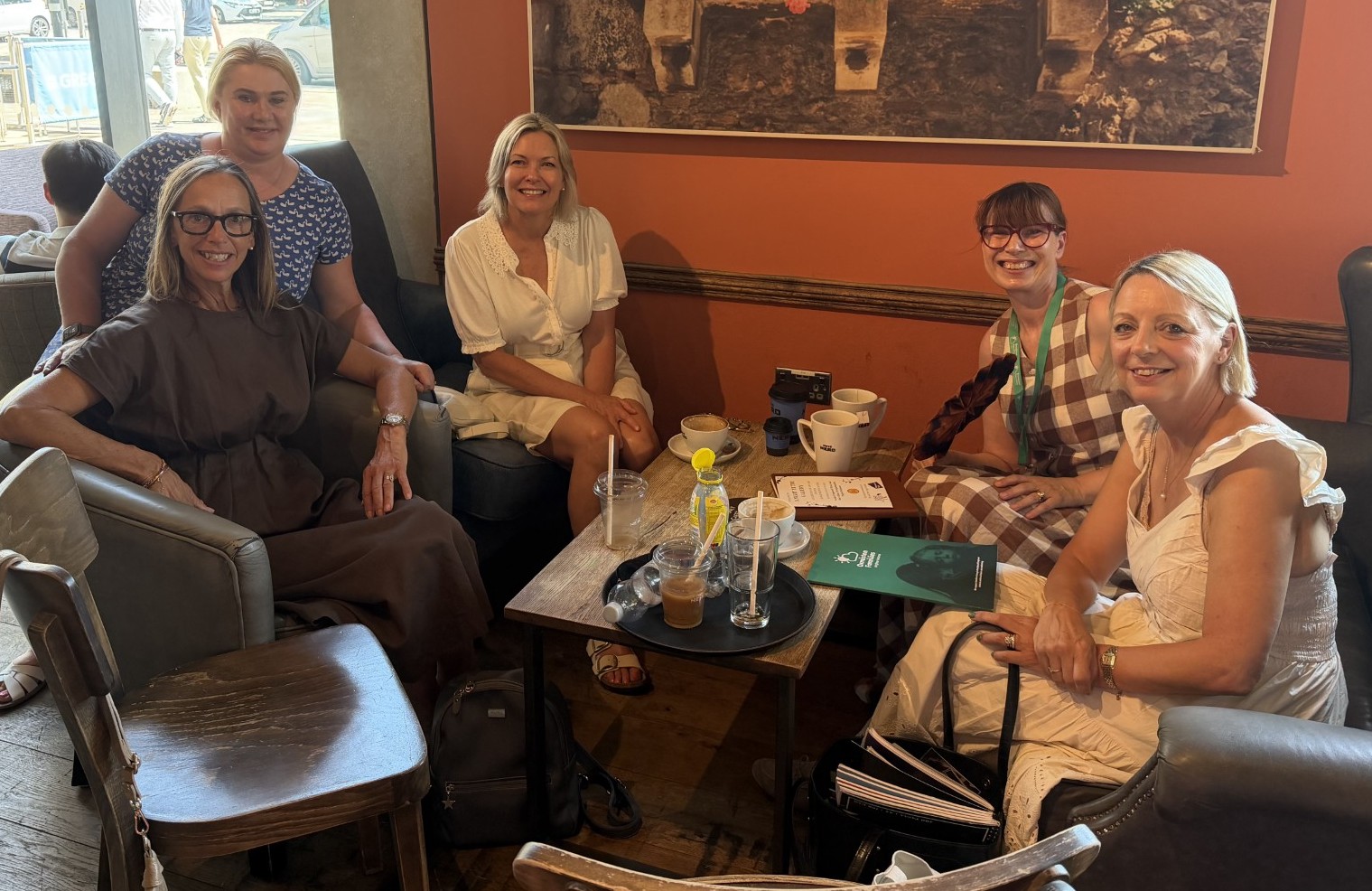
Some meetings stay with you not because of the setting but because of the people.

13th July 2026
When children have a parent in prison, support must arrive early
The Government’s announcement of a new pilot to identify and support children with a parent in prison is a welcome step towards recognising one of society’s…

01st July 2026
Families are fighting on all fronts – how early intervention can help
“Families are the anchors of children’s lives, the circle of love and support that guides young people through the ups and downs of life.”